A Table in Skopje: Unity and Strategy in the Balkan Learning Community

  • In NEWS
  • April 9, 2026
A Table in Skopje: Unity and Strategy in the Balkan Learning Community
Christian faith has always been more than a private conviction; it is a shared life. The apostle Paul’s letters, while foundational, were never meant to replace the depth of face-to-face fellowship. They point instead to a deeper truth: Christianity is lived most fully in community. This conviction lies at the heart of the Balkan Learning Community (BLC), a gathering that continues to shape evangelical cooperation across a region marked by historical division.
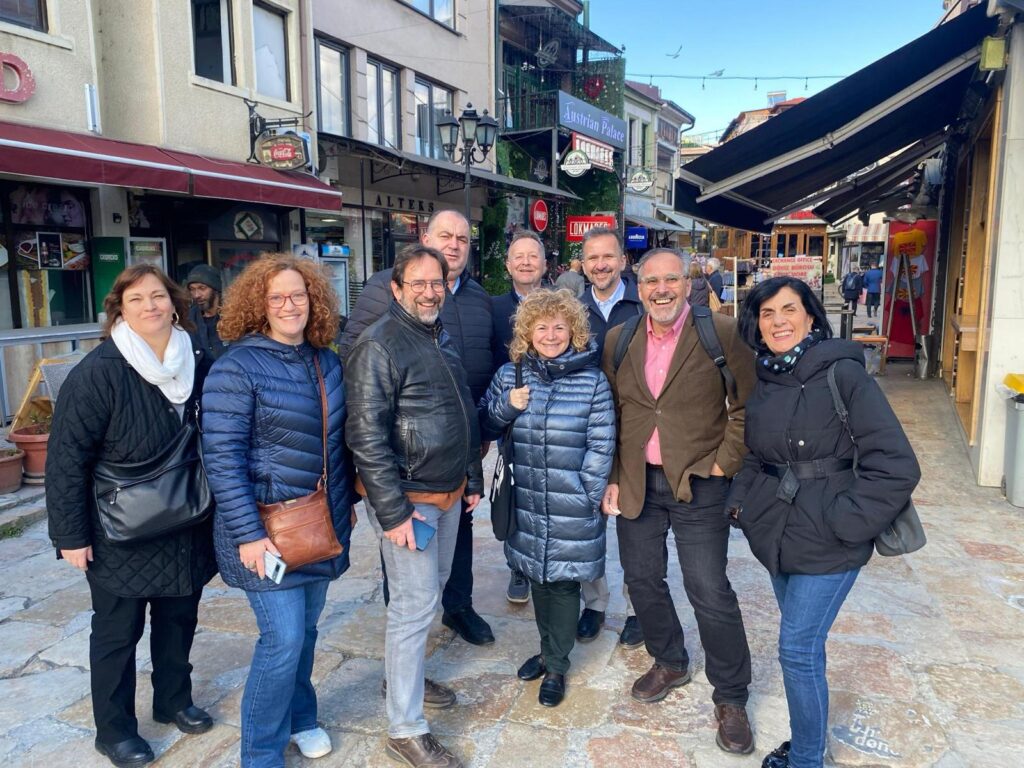
Held in Skopje, North Macedonia, from February 24–26, the most recent BLC brought together leaders from Evangelical Alliances of Bosnia and Herzegovina, Bulgaria, Croatia, Greece, Kosovo, North Macedonia, and Serbia. Organized by the European Evangelical Alliance (EEA), the event was strengthened by its General Secretaries, Connie Duarte and Jan Wessels, both of whom underscored the EEA’s commitment to fostering unity and collaboration across Europe—and especially in regions where such unity is far from a given.
The significance of this gathering becomes clear when viewed against the backdrop of the Balkans’ past. Political tensions and historical conflicts have often made cooperation difficult, even unthinkable. Yet around the BLC table, a different reality emerges. Leaders who represent nations with complex relationships come together not merely to coexist, but to listen, share, and genuinely enjoy one another’s company. The atmosphere—marked by mutual respect, openness, and even humour—stands in stark contrast to the narratives that have long defined the region.
In this way, the Balkan Learning Community serves as a powerful witness. It demonstrates that unity is not an abstract theological idea, but a lived experience. Participants embody the belief in one God and one people of God, transcending national divisions without erasing them. For anyone familiar with the Balkans, such a scene is both surprising and deeply hopeful.
Yet the BLC is not only symbolic; it is profoundly practical. As its name suggests, it is a space for learning. Leaders step away from the demands of ministry to reflect, exchange insights, and engage in honest conversation about the realities they face. It is a rare opportunity to slow down—to listen to God, to Scripture, and to one another. Stories are shared not as polished reports, but as real accounts of challenges, failures, and breakthroughs.
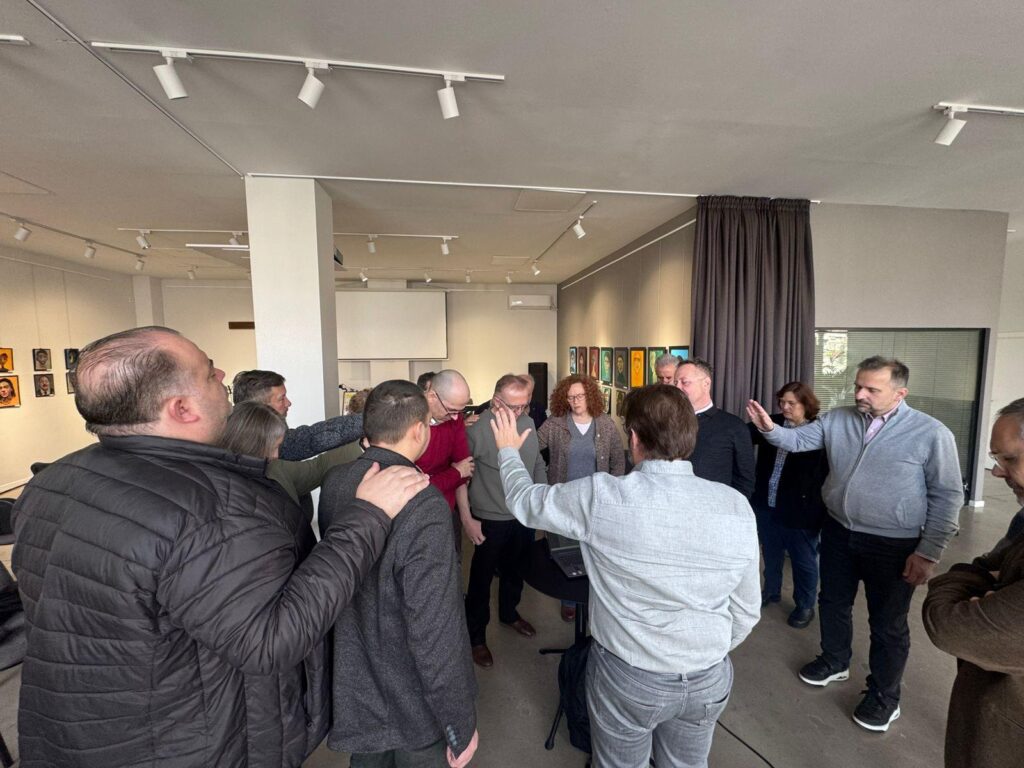
At the center of this shared life is prayer. Each nation is lifted up collectively, with participants interceding for one another in a spirit of unity. These moments deepen relationships and reinforce a shared sense of mission. Prayer becomes the thread that binds diverse contexts into a common purpose.
The impact of the Balkan Learning Community extends far beyond its three days. It acts as a catalyst for ongoing cooperation, inspiring new initiatives and strengthening existing partnerships. Ideas born in conversation continue to grow, shaping the future of evangelical engagement across the region.
In a peninsula often remembered for division, the BLC offers a different narrative—one of unity, learning, and hope. More than an annual gathering, it is a strategic necessity, pointing toward a future where collaboration is not the exception, but the norm.


By Nikola Galevski, President of the Evangelical Alliance in North Macedonia

Latest Posts

Receive the EEA newsletter!