



Connect, equip & represent
News

Politics & Democracy
- Bible-Europe, NEWS
- October 30, 2020
For many, the principle of the separation of church and state suggests that religion has no role in modern politics. Democracy, we are told, comes to us from the Greeks; so who needs religion when it comes to politics?
READ MOREDoing politics “right”
- NEWS, SOCIO-POLITICAL
- October 30, 2020
This month, the European Evangelical Alliance is republishing 2 foundational documents which seek to answer these questions: EEA’s Socio-Political Approach. And the Socio-political Code of Conduct, which summarises the Approach in a few key principles.
READ MORE
Book recommendation
- NEWS
- October 30, 2020
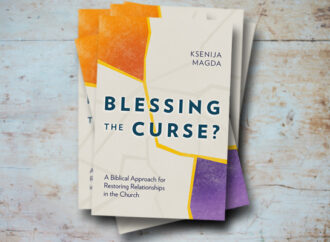
In her book Ksenija Magda gives a study what the Bible says concerning this “curse” and how different theologians come to different conclusions. Showing what the fall did to humanity, she challenges some convictions, which have been passed on – and still are – in many churches.
READ MOREMigration and Asylum
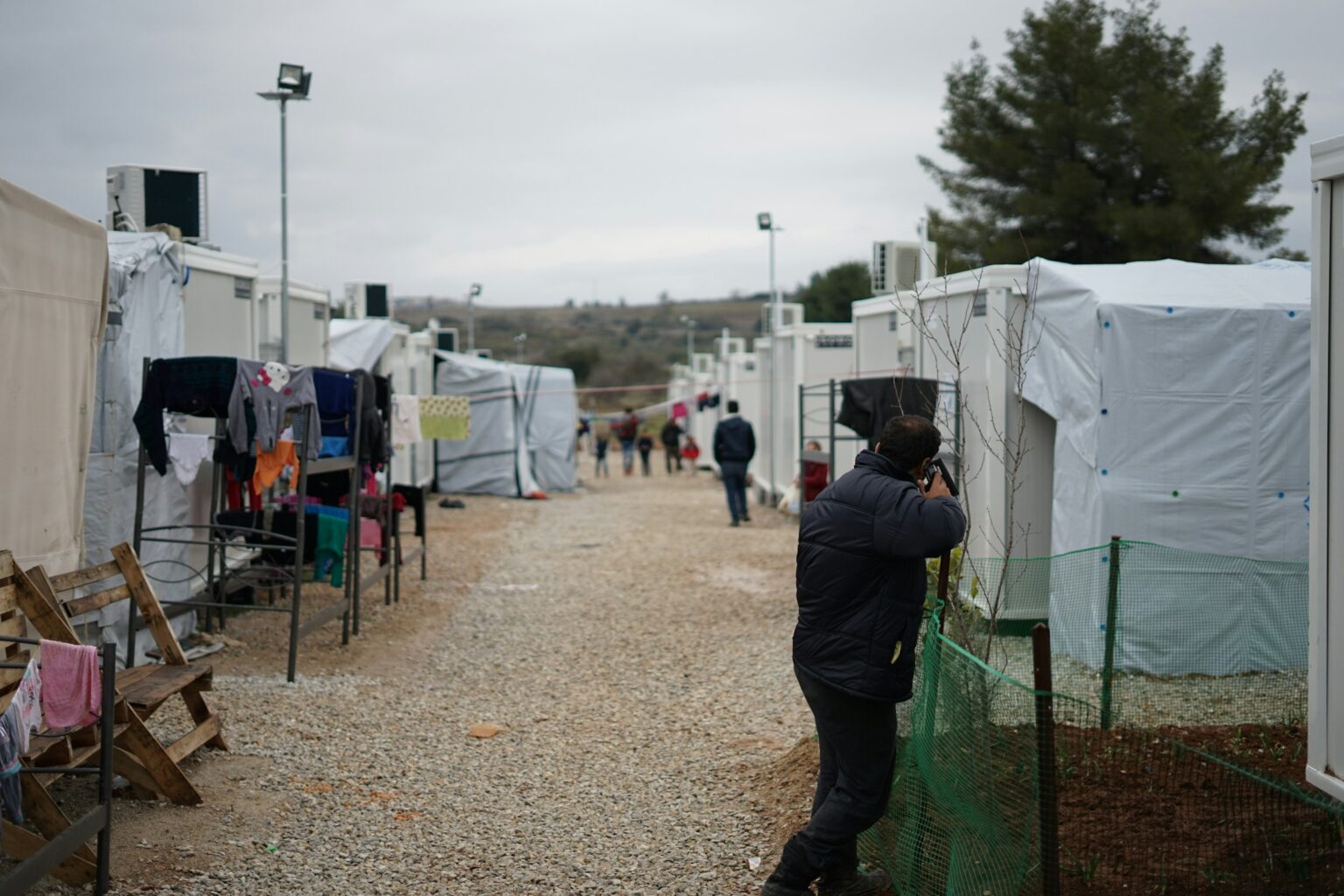
On 23 September, the European Commission released a draft Migration and Asylum Pact. This Pact is intended to have some bits and pieces for every member state as a starting point for negotiations. Can you use this as a starting point for engaging your own government to make sure the compromise has the individual at the centre, rather than mere statistics?
READ MORE
Receive the EEA newsletter
Support us

We are looking for supporters across
Europe with a passion for giving
Christians a voice in European politics –
Would you contribute €100 to make our
EEA lobby work in Brussels possible?
Read more…
Join us for Prayer

The EEA Prayer Network meets every Tuesday, on Zoom.
Let us know if you would like to be added to the distribution list and receive the Zoom link, by reaching out to our Prayer Network here.
Hope under Pressure
-
Hope under Pressure
- Hope under Pressure, NEWS, NEWSLETTERS
- October 10, 2025
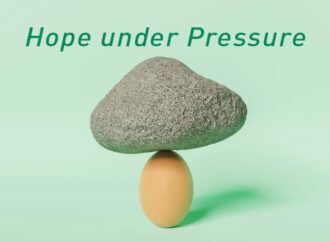
Europe feels tense. Russia is testing NATO and the fear of war on our continent is no longer an abstract scenario but a daily news item. At the same time, internal polarisation is increasing. Right-wing extremism and violence are becoming bolder—as seen in the riots in The Hague on Saturday, 22 September. The combination of external threats and internal divisions weighs heavily on the hearts of many Europeans. For many, the word “hope” seems fragile, even naïve.
Read more -
Storm Clouds Over Europe: The Rising Threat of War and Our Christian Call to Action
- Hope under Pressure, NEWS
- October 10, 2025
What the next five years will bring, no one can predict with certainty. Sadly, the clouds of war seem to be gathering once more on the horizon. Re-armament is well underway.
Read more -
Editorial – The power of relationships in times of hope under pressure
- Hope under Pressure, NEWS, NEWSLETTERS
- August 20, 2025
When I think of relationships, I first think about the first one we read about in the Bible. The relationship between the Godhead. “Let us make mankind in our image, in our likeness…” Genesis 1:26. This relationship is followed quickly by a second relationship in Genesis 2:18, “The LORD God said, ‘It is not good for the man to be alone. I will make a helper suitable for him.’
Read more -
Hope under Pressure
- Hope under Pressure, NEWS
- August 20, 2025
According to the latest Gallup study – a large-scale, ongoing survey that tracks public opinion and well-being across the globe – the greatest need people express today is hope.
Read more
Hope is the bridge between present and future. People often feel anxious when they worry about what lies ahead. But hope gives us a different perspective. -
The Miracle of Hope: A Gift for Ukraine
- Hope under Pressure, NEWS
- August 20, 2025
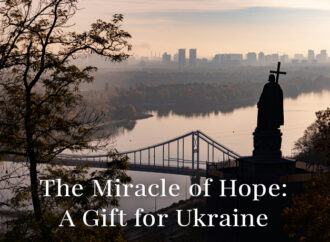
Alexander Pope’s line still speaks across the centuries, especially in times like ours—marked by war, upheaval, and deep uncertainty. The truth of it is being tested in Ukraine more than anywhere else in Europe today. What is it that causes Ukrainians—bombed, displaced, bereaved—to continue believing, rebuilding, resisting, and praying? How can hope still survive such devastation?
Read more -
Hope under Pressure – the Ukrainian perspective
- Hope under Pressure, NEWS
- August 20, 2025
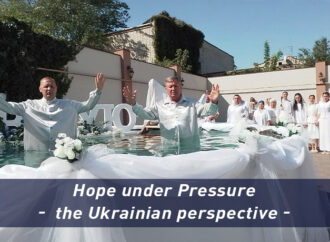
Despite the daily threat of shelling, the Kherson Pentecostal Church had a water baptism on the first Sunday of August for those willing proclaim their faith publicly and to enter into a covenant with the Lord. It was not possible to use the Dnipro River, as it was before the war. The ceremony took place in a specially equipped, festively decorated pool located in a churchyard of Kherson safer district.
Read more -
Hope under pressure – Prayer Perspective
- Hope under Pressure, NEWS
- August 20, 2025
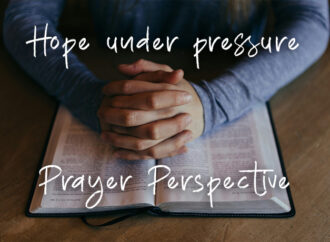
When I found a sailboat at my disposal as a teenage boy, I found no greater pleasure in it than to fight alone with the element of wind and water in very rough weather. I really enjoyed sailing as close to the wind as possible. When there was a great gust of wind, it sometimes happened that my boat capsized and I had to try to get the boat back up.
Read more -
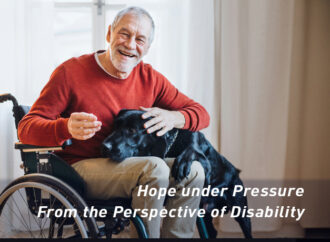
Hope under Pressure - From the Perspective of Disability
- Hope under Pressure, NEWS
- August 20, 2025
Pressure in human life arises from internal and external demands. expectations, obligations, or barriers that create a mental, emotional, or physical sense of strain.
Read more
For people with disabilities, this pressure often takes on unique dimensions:
Newsletters

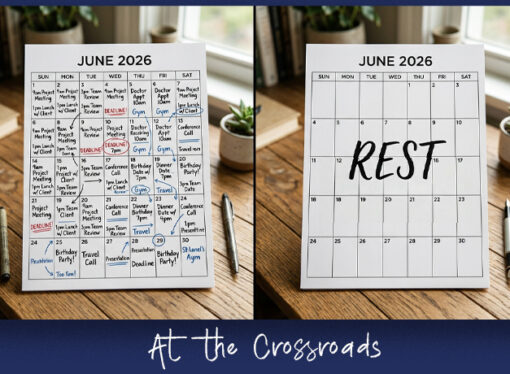
Newsletter | Welcome to June!
- June 3, 2026
Welcome to June! This month we leave Spring behind and enter Summer. It has been a long and challenging year, and summer has it’s own set of challenges. While some things get quieter, other things get busier – camps, kid’s programs, less human resources in church (logistic challenges). It is also the time that we usually try and fit in our holiday, to get a break from the hectic pace of the other seasons.
READ MORE
Latest Resources



Latest Posts




European Evangelical Alliance
The Evangelical Alliance was originally created in London in 1846. A number of founding members were representing European countries. The European Evangelical Alliance (EEA) was founded in 1951. The EEA exists to foster unity and evangelical identity and provide a voice and platform to 23 million European evangelical Christians. The mission of the EEA is to CONNECT for com-mon purpose, EQUIP for integral mission and REPRESENT with a united voice. It is a grassroots movement from all Protestant traditions present in 36 European countries. The Brussels office of the EEA promotes active citizenship of its constituency and represents it to the European Institutions. The EEA is part of the World Evangelical Alliance (www.worldea.org)
Get In Touch With Us
Legal Seat:
Josefstr. 32
8005 Zürich
Switzerland
Brussels Representation:
Rue Belliard 205/14
1040 Brussels
Belgium
Office Representation and Postal Address:
Reuterstr. 116
53129 Bonn
Germany
2024 © Copyright Europeanea.org | design by MarcoZoutmanDesign